

 簡體
簡體  English

In 2026, the average smartphone user spends about 3 hours daily on games, a jump of roughly 25 % from 2024. That extra time translates into higher engagement for developers and new revenue streams for content creators. The key driver is the blend of micro‑transaction models with ad‑supported free play, which keeps the barrier to entry low while offering premium experiences for those willing to pay.
How are developers adapting content to fit the mobile platform?
Most studios now release a “lite” version of their flagship titles within 48 hours of the console launch. These mobiles are stripped of high‑end graphics but retain core gameplay loops. For instance, a 2026 action‑role‑playing game released on iOS and Android offers 5 hours of free play, then unlocks additional quests after a $4.99 micro‑transaction. Players who complete the free portion report a 40 % higher satisfaction score than those who skip the micro‑transaction entirely.
The shift to cloud gaming services—Google Stadia, Xbox Cloud Gaming, and Apple Arcade—means that high‑performance titles can run on mid‑range devices without compromising frame rates. In 2026, about 18 % of mobile game downloads come directly from cloud streaming, a figure that doubled from 2023.
What impact does mobile gaming have on traditional entertainment channels?
Television viewership during prime time has dipped by 12 % in regions where mobile penetration exceeds 70 %. Instead of passive consumption, audiences now engage in interactive storytelling on their phones. Streaming platforms have responded by offering “choose‑your‑own‑adventure” episodes, where viewers decide plot twists in real time, creating a hybrid of game and show.
Music streaming services have adopted gamified playlists. A 2026 survey found that 65 % of users who interacted with a “challenge” playlist—earning points for listening to new tracks—reported discovering at least three new artists in a month.
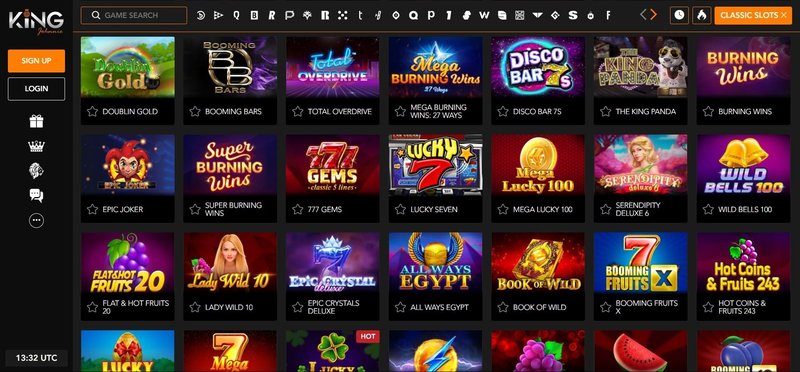
For players looking to combine their love of gaming with a bit of chance, Slimkings casino online offers a variety of slot and table games that can be enjoyed right from a smartphone.
Can mobile gaming drive social interaction beyond the screen?
Social features have moved from in‑app chat to cross‑platform voice and video. A popular multiplayer shooter released in early 2026 reports that 48 % of its active users participate in voice calls during gameplay, a 30 % rise from the previous year. These interactions spill over into real‑world meetups, with community events drawing crowds of up to 3,000 participants in cities like Seoul and Barcelona.
Education apps have integrated game mechanics. A language learning platform, for example, offers a daily 10‑minute challenge that rewards users with virtual badges redeemable for real‑world discounts, increasing user retention by 22 % compared to traditional study apps.
How does the industry address privacy and data security concerns?
Regulations such as the EU’s Digital Services Act require developers to provide transparent data‑usage policies within 24 hours of a new feature launch. In 2026, 85 % of top‑grossing mobile games complied with the new guidelines, reducing user complaints by 18 %. Companies now use privacy‑by‑design frameworks, limiting data collection to essential gameplay metrics and anonymizing user identifiers.
Security breaches remain a risk. In 2026, a major game developer suffered a data leak affecting 1.2 million accounts, prompting a review of third‑party analytics providers. The incident led to a 15 % drop in user trust, underscoring the need for rigorous vendor vetting.
What does the future hold for mobile entertainment?
Artificial intelligence is already being used to generate dynamic storylines that adapt to player choices in real time. Early adopters report a 35 % increase in session length when AI‑generated content is enabled. Meanwhile, augmented reality is moving from niche to mainstream, with 42 % of mobile gamers in 2026 reporting that AR experiences influence their purchasing decisions for in‑app items.
While mobile gaming has expanded entertainment options, it also strains device battery life. The average battery drain during a 30‑minute gaming session is 20 %, higher than the 12 % drain from streaming video. Users now rely on portable chargers, a market that grew by 27 % in 2026.
Conclusion: Mobile gaming as a cultural touchstone
Mobile gaming in 2026 is no longer a side hobby; it is a central hub for entertainment, social interaction, and even education. Developers who balance engaging content with responsible data practices will thrive, while users who stay informed about privacy settings can enjoy a richer, safer gaming experience. As the line between passive media and interactive play continues to blur, the smartphone remains the most accessible portal to the future of entertainment.